
In digital health, the founder is the expert

After many years in digital health, one pattern is clear: what decides the outcome, and with it the returns, is the applied expertise, not the technology.
We review hundreds of digital health companies a year and invest in a handful. Not because most are weak. By the time a venture reaches out, plenty already have something that works. I am ruthless about one thing, and it is not the technology. The companies that get through do not have the finished product. They have the right founder. That single judgement, made well and made often, is where the returns in this asset class come from.
Your product isn't the problem
This matters more than ever, because the market is unforgiving. VC funding comes at a cost; follow-on rounds are not given, and anyone writing a cheque is looking at traction and cost-effectiveness before they commit. In that climate, the product is rarely what kills a company. Digital health is simply one of those hard places to build product-market fit. Obtaining reimbursement is not a given. Clinical validation takes at least 12 months. And you are selling into a system that was never designed to buy from startups, where the person who benefits, the person whopays, and the person who signs off are usually three different people. Yes, if the problem is big enough, you'll find your first beachhead customers, a group of early adopters. And yet we see a lot of strong products paired with the wrong founders dying in the gap between a successfulpilot and getting paid at scale. Therefore, when we look at ventures, we're really looking at the people who have to carry it across that gap.
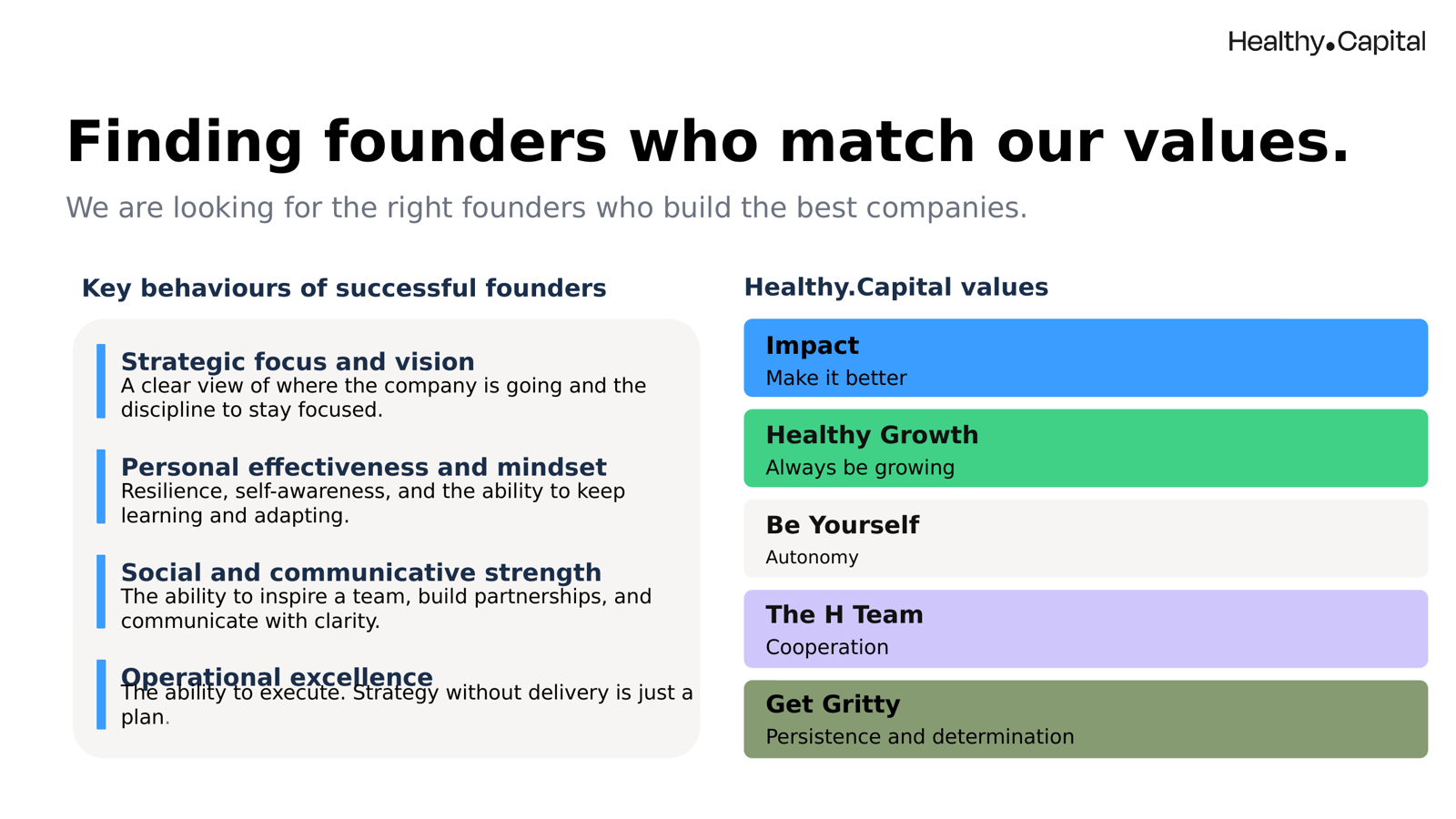
Focus, and the nerve to hold it. Steadfastness.
The best founders have a clear view of where they are going and the discipline to stick to it. In a sector this slow, the pull to chase every adjacent opportunity is enormous, and a surprising number of clever people drift. We invest in experts in their particular field and trust those whocan turn down a side quest because it is not their core focus. This means steadfastness on solving the problem at hand. Pivot if they may but build momentum from their respective peers in their field to preserve and commercialise their solution. Yes, in regard to simple technologieslike scribes that offer solely speech to text or patient journey pathways, without clinical validation this means their moat is shrinking. As the value of software has been decimated by LLMs and their GPU-datacentres, the real experts in digital health will thrive by creating bettersolutions that service their own peers.
Nobody fixes healthcare alone
Today, too much of that burden falls on the startup. I would like to see large healthcare institutions step up as real launching partners far more often, since that is what shortens the brutal sales cycles in this sector. Until the system works that way, the founders who get furthest are theones who bring those partners in themselves. That takes someone who can rally a team and explain a complicated idea simply, to a board, to a hospital, to a nurse who is already overstretched. If they cannot make me understand it in the room, they will not make a health system understand it either.
Strategy without deployment of product is what founders must avoid
Execution is the least glamorous part, and the most decisive. Early on the questions are blunt: is there a real problem, and is there someone willing to pay you to solve it? Later it is whether you have genuine product-market fit, and whether you can repeat it in more than one market. We back founders putting actual value in the hands of a single paying customer today rather than one with a beautiful three-year roadmap and nothing live. The ones who make it are stubborn about the outcome and flexible about the route.
Impact is the business case and is a founder's personal fire
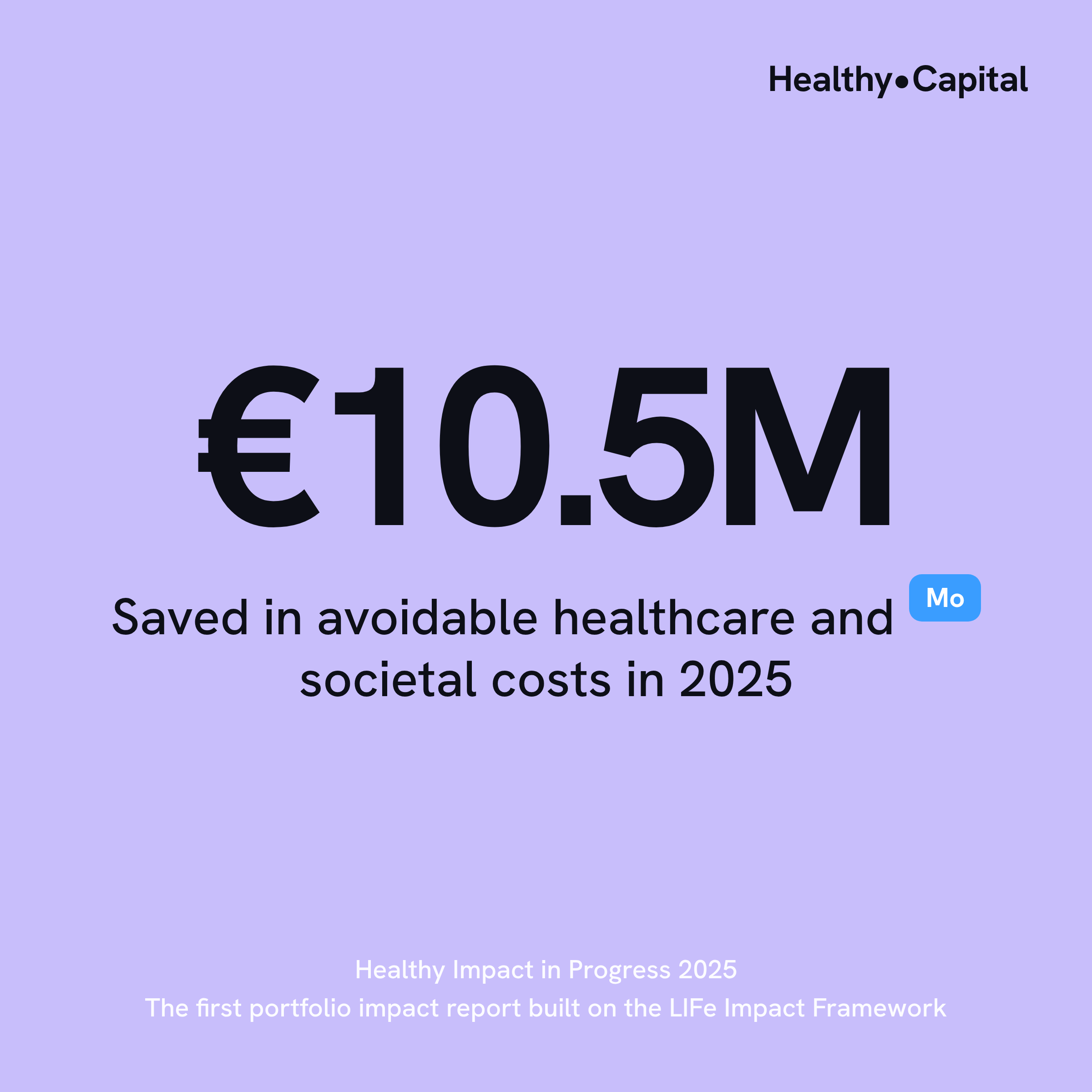
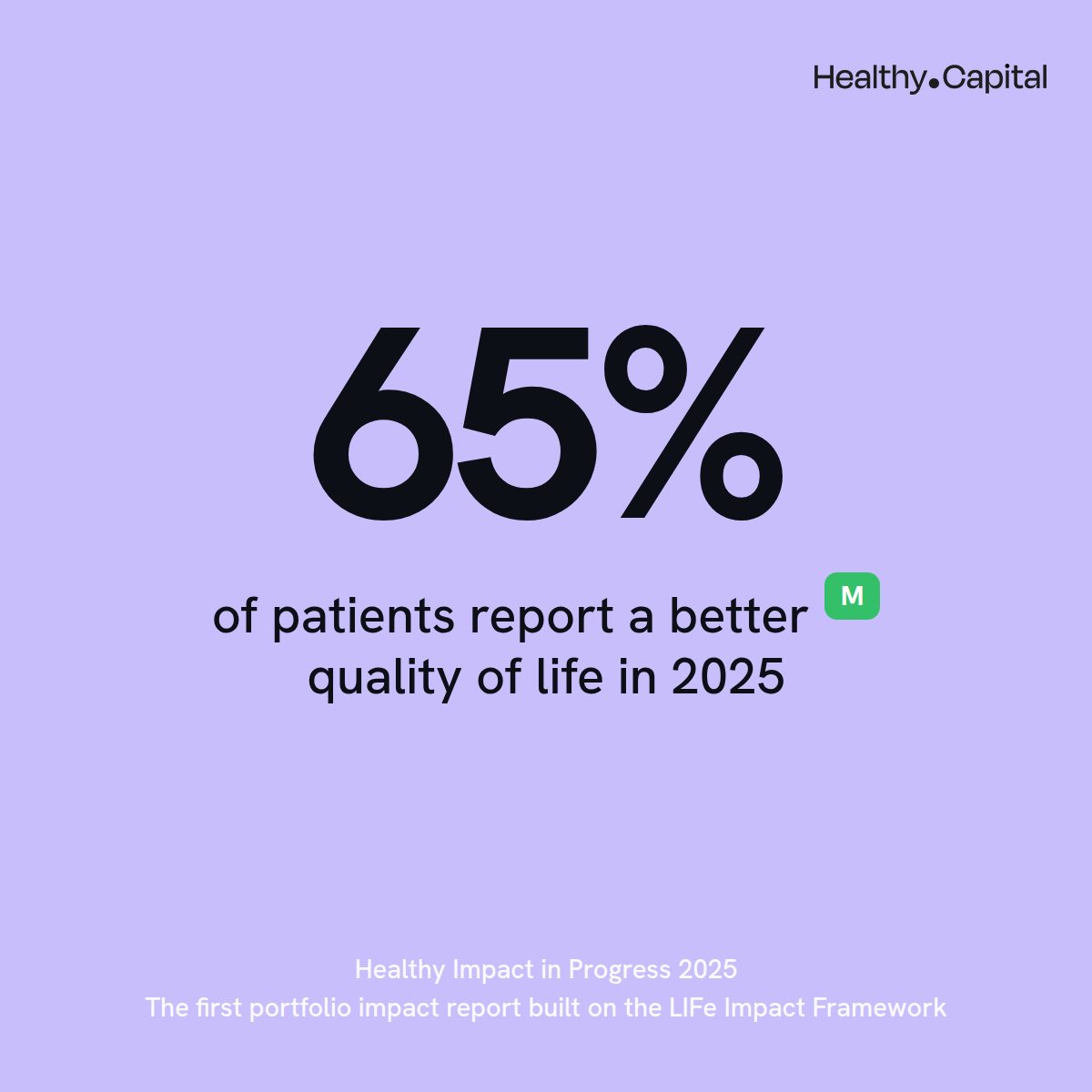
What I find encouraging is that, in this market, none of this competes with impact. The two are the same thing. Take a tool that gives a patient real insight into their own condition. A patient arrives better prepared, leans on care less often, and frees up a clinician who is stretched thin. That is genuine impact, and it is also the business case for healthcare organisations. What we have no time for is impact theatre, the metrics that exist only to flatter an investor. Real impact you can measure, and it tends to show up on the same line as the revenue. It is built aroundvalue creation, and it talks volume in prevented healthcare costs and freed-up hours to see more patients. We look for the founders that understand in health, the thing that helps the patient and the thing that builds a durable company are usually one and the same, and it shows up in the quadruple aim, which we extend with a fifth measure of our own, sustainability:
Quality of care: improving health outcomes and quality of life for the patient. Accessibility and capacity: increasing the availability of care and unburdening healthcare professionals. Costs and affordability: preventing costs in the healthcare system and keeping care affordable. Patientexperience and satisfaction: the experiences and well-being of both patients and healthcare providers. And sustainability: minimising the environmental impact of healthcare and ensuring future-proof, circular care systems without compromising health outcomes.
What we won't bend on
Connecting these impact drivers to core values is not difficult to translate into personal and team values. To reach these impact goals, specific values and behaviours are key. They are, in a way, the secret sauce to success in healthcare. And these values are not abstract to us at Healthy.Capital. We look hardest for founders who share the values we hold ourselves to.
- Impact. Make it better.
We back founders who solve meaningful problems and create lasting value for patients, healthcare professionals, and society. The best businesses don't just grow. They make healthcare measurably better.
- Healthy Growth. Always be growing.
The strongest founders stay curious. They keep learning, adapting, and improving with every challenge, because personal growth is the foundation of company growth.
- Be Yourself. Lead with autonomy and authenticity.
The best companies are built by founders with the confidence to follow their own conviction. Authentic leaders create original businesses that stand out and shape markets.
- The H Team. Win together.
Changing healthcare is a team sport. Exceptional founders build trust, empower their teams, and create true partnerships with customers, patients, investors, and other stakeholders. Great companies scale through collaboration.
- Get Gritty. Persevere with purpose.
Healthcare innovation takes time. The founders who succeed combine resilience with long-term commitment, turning setbacks into momentum and staying focused until meaningful impact is achieved.
An honest disclaimer
So much of a startup's success comes down to grit, timing and luck, to being in the right place at the right moment, and we cannot manufacture that. It comes from within the founders. It is their fire. When we meet, it is all fun. It is when the pressure is on and runways die out that we meet our true values, the ones that either help or break us. The rare founders who clear this bar are worth a great deal, to their patients, to the system, and to their investors. Finding those people is our calling.
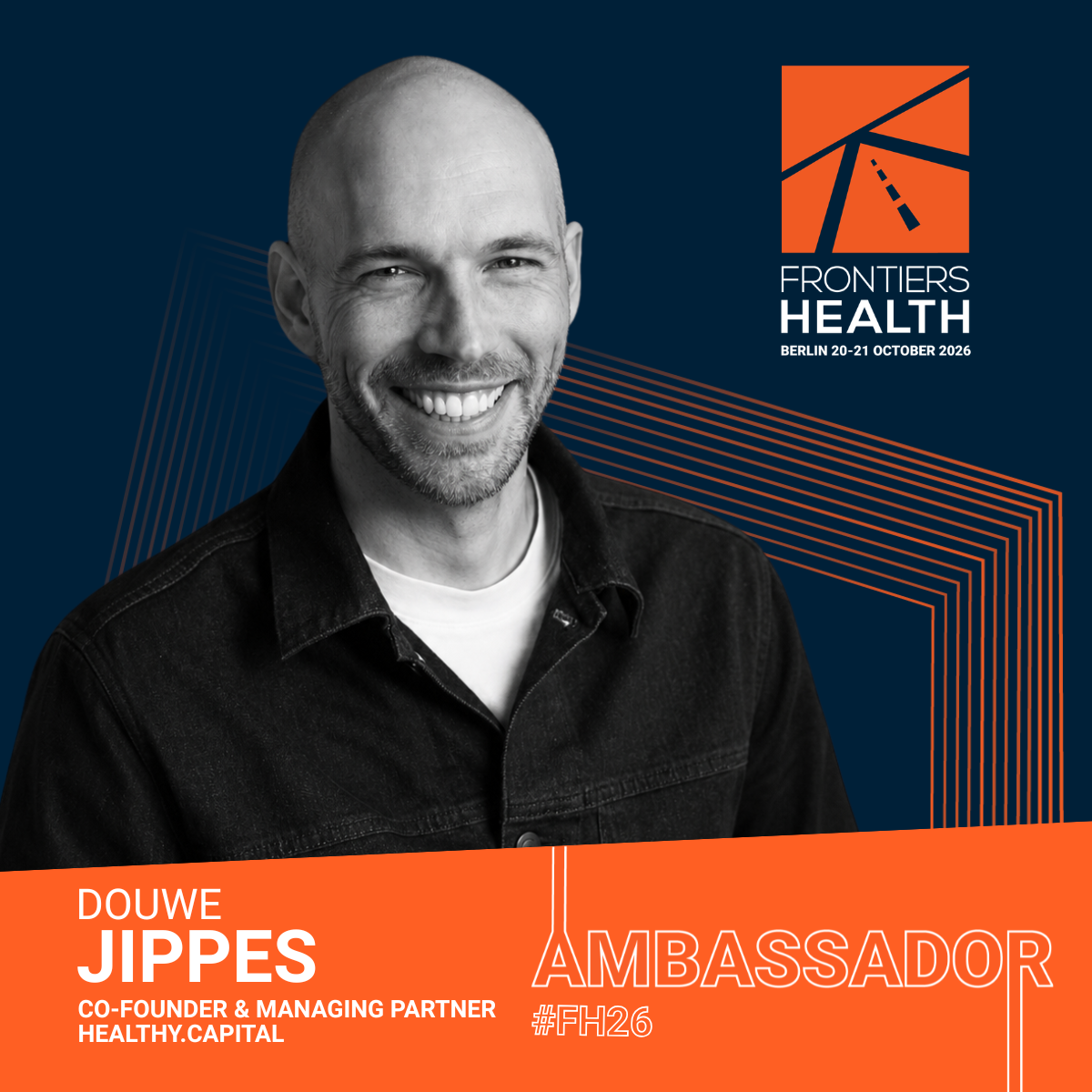
Douwe Jippes is co-founder and managing partner of Healthy.Capital.
Read more


.png)


-3.png)

-2.png)

.jpg)


