
Inside Dutch digital health: Marieke Jongma (VRelax) on turning curiosity into care

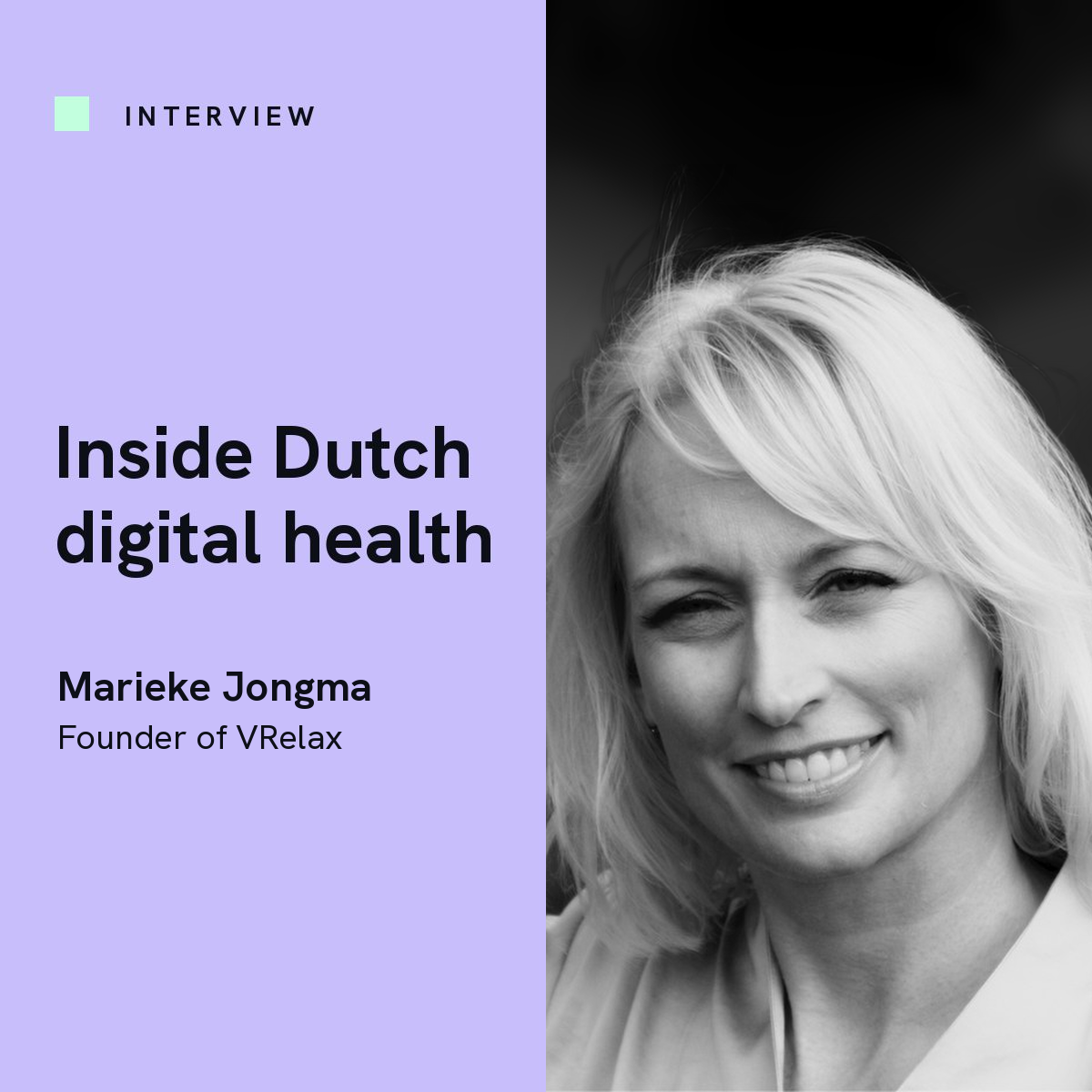
By 2030 the Netherlands is expected to be short of 150,000 healthcare workers. Technology-driven health innovation is part of the answer. The harder question is which innovations actually deliver, and how you prove it. In this interview series, we speak to the people working on that question every day: founders building the companies, investors backing them, and the clinicians and patients who feel the difference first. Every one of them knows what it takes to make something work in practice.
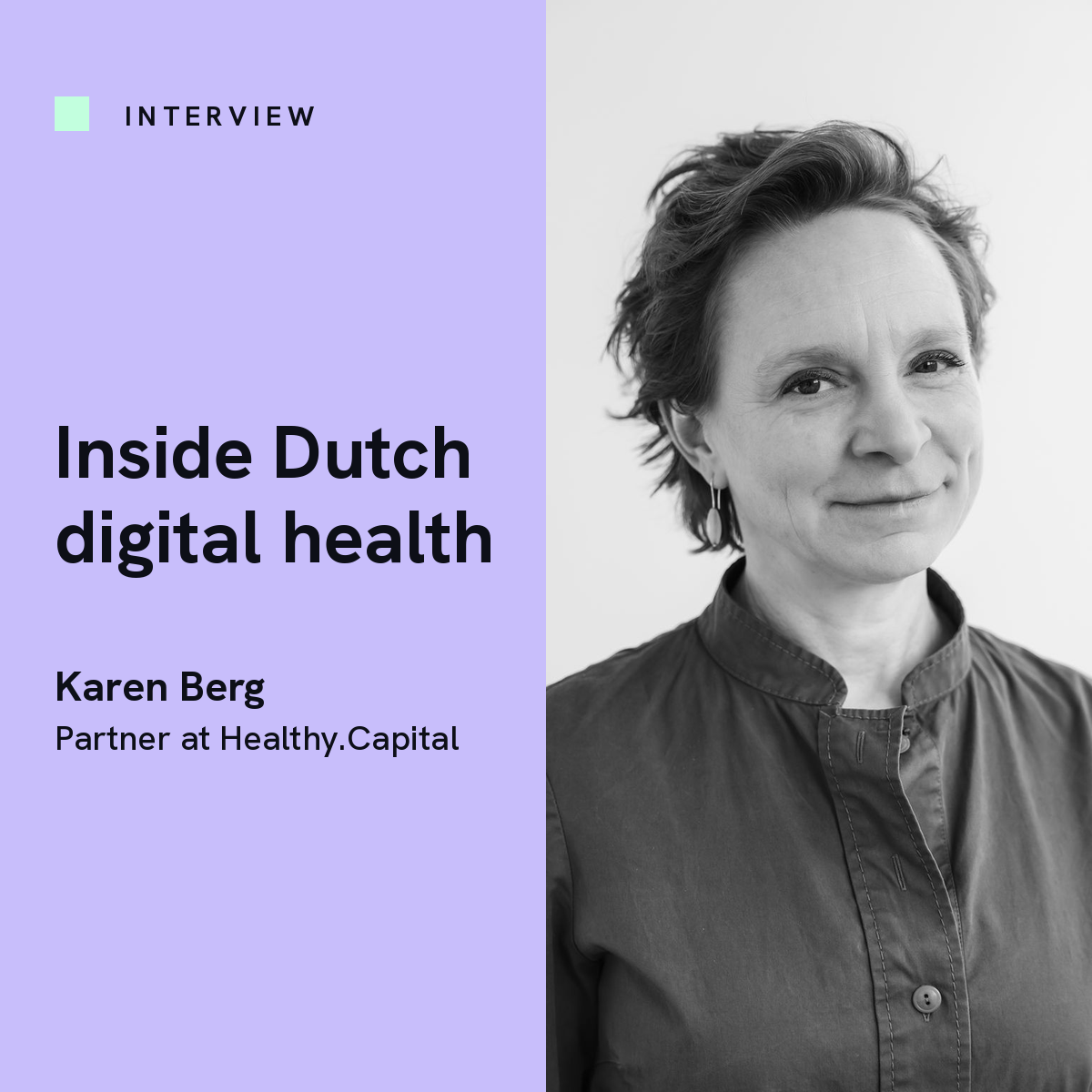
After the investor view from Healthy.Capital partner Karen Berg, it's time for a founder's perspective: Marieke Jongma, founder of VRelax.
Almost thirty years in healthcare had shown her the same pattern: people struggling with stress, worry and sleeping problems were often asked to focus, the very thing stress makes difficult. So she built VRelax, a VR relaxation tool, together with UMCG psychiatrist and professor Wim Veling and a multidisciplinary founding team. It's now used across Dutch mental healthcare, backed by Healthy.Capital, and has passed its first €1 million in revenue.
Marieke, please take us back to the beginning. What did you see that made you say: this has to change?
"I was working in primary care and saw people coming in with stress-related complaints, worry and sleeping problems. Supporting them often required a lot of time from healthcare professionals. Even when we offered more than standard care, the interventions didn't always seem to fit what people needed in those moments.
Many of the interventions we offered, such as relaxation exercises, require focus and concentration. But that is exactly what people often struggle with when they are stressed or overwhelmed. That made me curious whether we could make this easier.
I wanted to create a practical solution that people could use themselves, without support from a professional or having to learn a relaxation technique first. Something that would be available whenever and wherever they needed it. That question started VRelax."
How do you know you are truly making a difference for people?
"For me, impact comes from co-creation, developing something tangible, scientific evidence and then seeing what happens in practice. We work closely with people with lived experience, healthcare professionals and researchers, using what they tell us to keep improving the product.
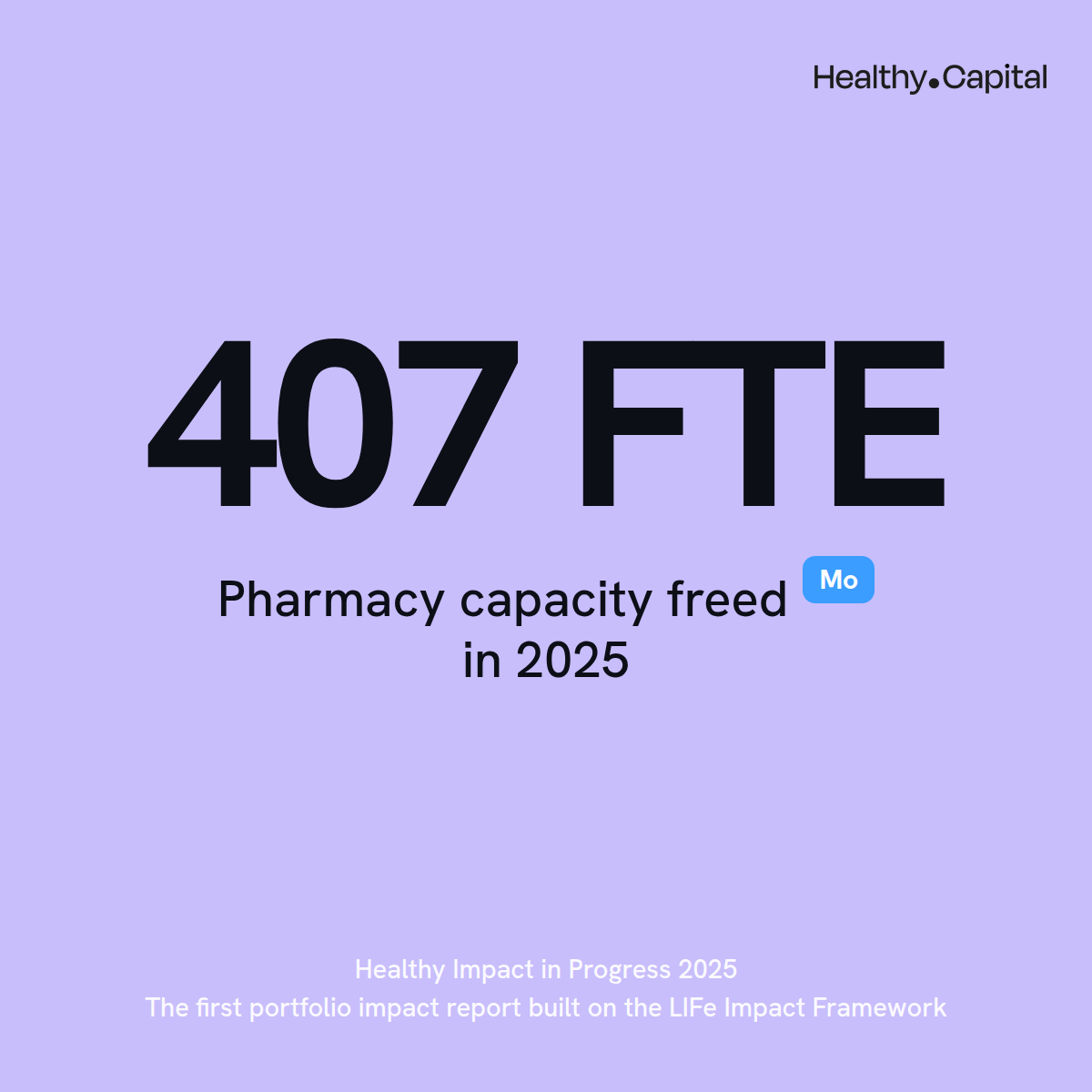
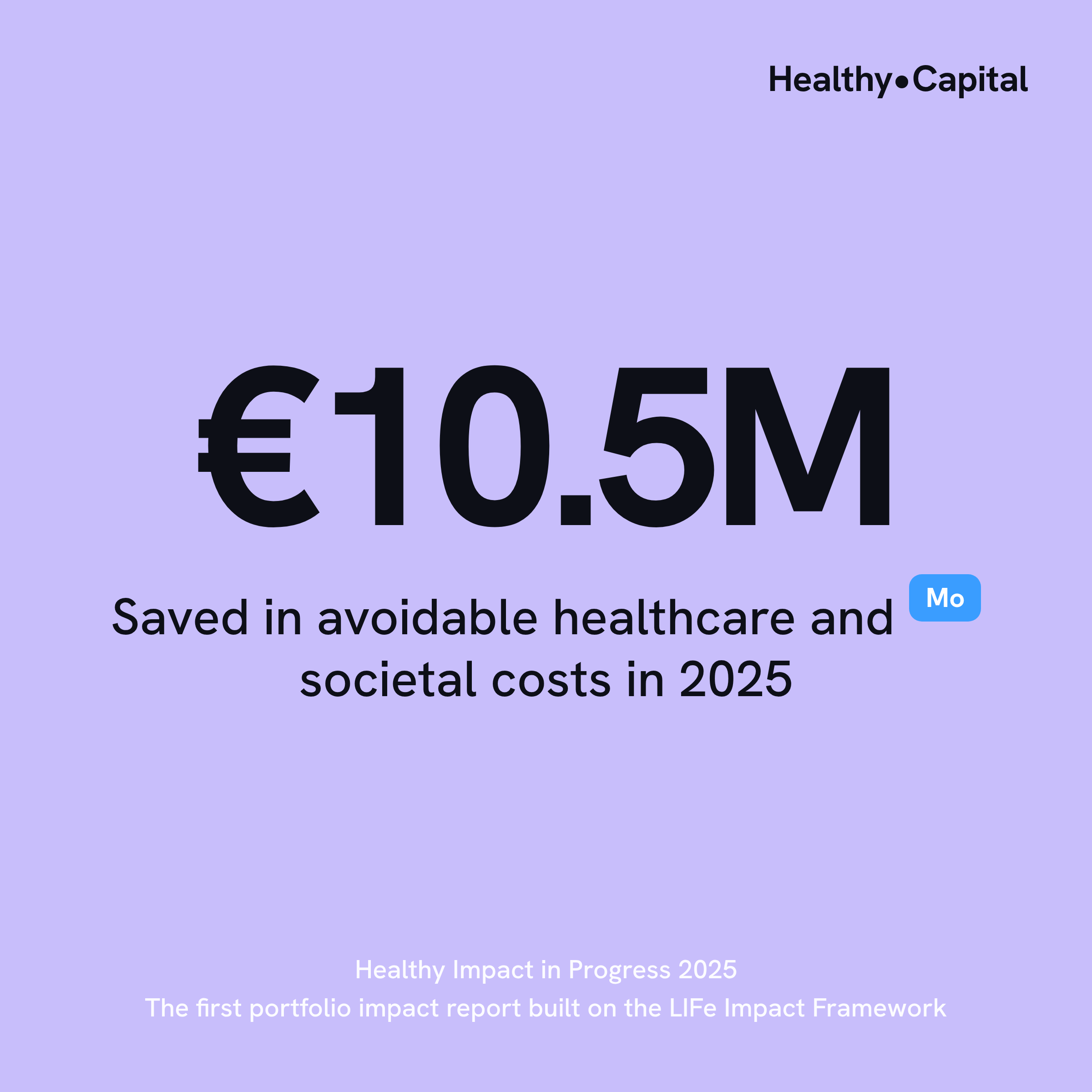
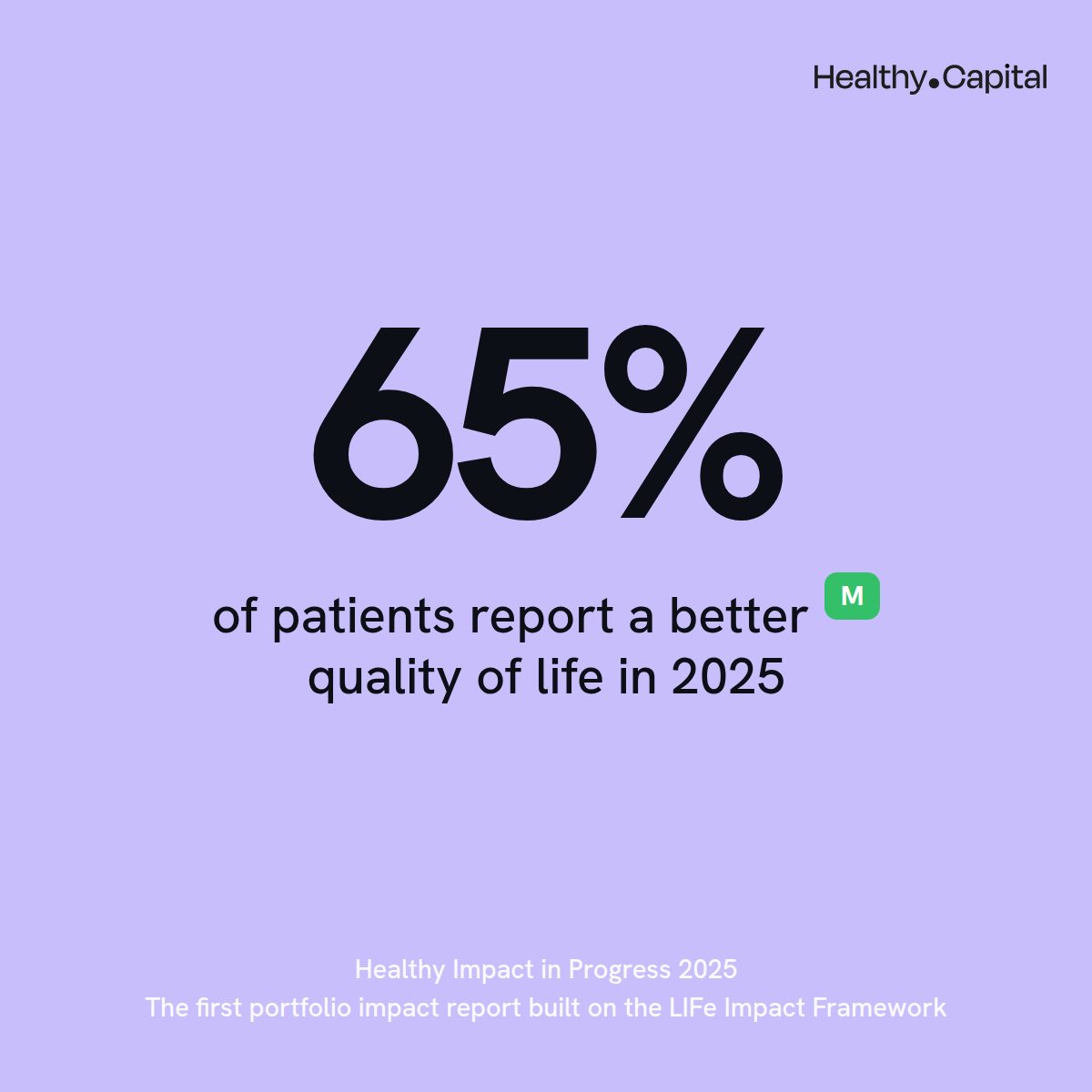
Studies show that VRelax can reduce stress by 40% and contribute to fewer incidents and restrictive measures in acute mental healthcare. Preventing an escalation or restrictive intervention can save an estimated four to seven hours of unplanned healthcare capacity. In 2025 alone, people used VRelax in more than 22,000 sessions, representing almost 5,500 hours of use.
The figures are important. But their value becomes clearest when someone finds calm in a moment when that felt out of reach, gains more control over their stress, or when a healthcare professional has more time for another patient. Measuring impact isn't just about demonstrating an effect. It helps us understand who we reach, whether people use it and whether it fits the way care is delivered.
That shapes how we grow the company too. We ask what value it creates for patients, professionals and healthcare organisations. Over time, customers started asking whether the same accessible, plug-and-play approach could also help people practise difficult situations and develop new skills. That led us to build Axova."
What does Axova add?
"Together with researchers, healthcare professionals and people with lived experience, we started exploring how we could combine the accessibility of VRelax with years of scientific knowledge about interactive VR and cognitive behavioural therapy.
With UMCG, and with support from the Dutch Brain Foundation, we are bringing those worlds together in Axova. Anxiety can prevent people from participating in daily life: at work, at school or socially. VRelax can help people reduce stress in those moments. Axova helps people safely practise difficult situations and develop the skills and confidence to move forward.
The name Axova is inspired by the axolotl, a remarkable salamander known for its ability to regenerate. For us, it symbolises the human capacity to learn, adapt and grow when the right conditions and support are there."
Building something like Axova takes real backing. What makes Healthy.Capital the right partner for this next chapter?
"Their backing got us to our first €1 million in revenue, but what set them apart from day one was understanding that building a healthcare company takes more than great technology and sales. You need to bring together science, regulation, implementation and a sustainable business model, and Healthy.Capital understood that from the start. They share our ambition to build and scale a strong company while creating lasting change in healthcare.
Having an investor who thinks with us, challenges us when needed and brings real experience to important decisions feels like having a partner, not just someone financing the company. Axova takes us into new territory. That is when it matters to have people around you who bring perspective, challenge your thinking and trust the team to make the right choices.
I hope Healthy.Capital keeps opening doors through their experience and network, and that we get to build this next chapter together."
Growing fast is hard. What is the biggest hurdle in front of you right now, and what keeps you going through it?
"Our biggest hurdle is turning proven impact into faster, sustainable growth. We've reached our first €1 million in revenue, so we know we can develop solutions that healthcare values. Now the challenge is to reach the next million faster, while staying true to what matters: evidence, quality and real impact for people.
At the same time, we are scaling VRelax while bringing Axova into care. For us, growth is not an abstract number. It means more people can access support when they need it, and more healthcare professionals have better tools and more time for the patients who need them most."
If you could redesign healthcare from scratch, what would it look like?
"I believe good healthcare is about finding the right balance between independence and support: helping people do what they can themselves, while making sure professional care is there when they need it.
Technology can help create that balance. Not by replacing people, but by giving patients and healthcare professionals better tools and creating new ways of delivering care. This can give people more control over their own health, while giving professionals more time and space for the people who need their expertise most.
We already know a great deal. For me, the challenge is staying curious about what we don't know yet, and turning that into practice: combining science with technology and making it part of routine care. If we succeed, people get support that fits their needs and abilities, and healthcare professionals have the time to truly be there when they are needed."
After almost thirty years in healthcare, what still keeps your curiosity alive?
"It is the people I have met along the way: patients, healthcare professionals, researchers and people who dared to look at things differently.
Their experiences keep making me curious: why do we do things the way we do, what could we do differently, and how can we turn good ideas into something that actually helps people? That curiosity is still what drives me today."
Read more

.png)


-3.png)
-2.png)

.jpg)


